





Online Workshop Every Week
Join our free weekly interactive learning sessions.
Master AI/ML with instant feedback and personalized learning
"Cogito, ergo sum" (I think, therefore I am)
— René Descartes



















































Free Problems
View All Free ProblemsUnderstanding Reasoning vs Generic LLMs
This problem set explores the key differences between reasoning and generic large language models (LLMs) based on the video "What is the difference between Reasoning and Generic LLMs?". The problems cover fundamental concepts, practical applications, and analytical comparisons between these two types of AI models.
12 pts
Easy
104
reasoning-questions
llm-types
basic-concepts
+7
Chain of Thought Reasoning Fundamentals
This problem set covers the key concepts from Lecture 2 on Chain of Thought Reasoning, including inference time compute scaling, few-shot prompting, zero-shot reasoning, and the emergent reasoning abilities in large language models. The problems progress from basic concepts to advanced analytical questions based on the video content.
34 pts
Medium
101
inference-time-compute
reasoning-llms
computational-resources
+7
Chapter 8 Achieving Higher Throughput and Lower Latency (DMLP)
This problem set covers key techniques for improving system efficiency in model-parallel training and inference from Chapter 8. You'll explore layer freezing, memory optimization, model decomposition, distillation, and bit reduction strategies to achieve higher throughput and lower latency in distributed machine learning systems.
26 pts
Medium
101
layer-freezing
model-parallelism
optimization
+7
Chapter 12 Advanced Techniques for Further Speed-Ups (DMLP)
This problem set covers advanced techniques for optimizing distributed deep neural network training and serving, including performance debugging with NVIDIA Nsight, job migration and multiplexing, and heterogeneous model training. These techniques build upon the distributed training methodologies discussed in previous chapters to achieve further speed-ups and improved hardware utilization.
21 pts
Medium
96
performance-profiling
nvidia-nsight
gpu-communication
+7
Chapter 11 Elastic Model Training and Serving (DMLP)
This problem set covers key concepts from Chapter 11: Elastic Model Training and Serving, focusing on adaptive resource allocation for distributed machine learning workloads. The problems test understanding of elastic training in both data and model parallelism, implementation using adaptdl, and elastic model serving concepts.
21 pts
Medium
96
adaptive-training
data-parallelism
resource-allocation
+7
Chapter 6 Pipeline Input and Layer Split (DMLP)
This problem set covers key concepts from Chapter 6 on improving system efficiency in model parallelism training. You'll explore pipeline parallelism, intra-layer splitting, GPU utilization analysis, and the trade-offs between different model parallelism approaches. These problems test your understanding of how to optimize distributed machine learning systems for large NLP models.
24 pts
Medium
104
gpu-utilization
model-parallelism
efficiency-analysis
+7
Premium Problems
View All Premium ProblemsKnowledge Graphs
USA AI Olympiad
Explore competitive programming and AI contest preparation concepts
Grade 5 Math
Discover elementary mathematics concepts and learning paths
Featured Docs
View All PDFs
System Design Interview: An Insider's Guide Volume 2
116 questions
348 pts

System Design Interview: An Insider's Guide
108 questions
317 pts
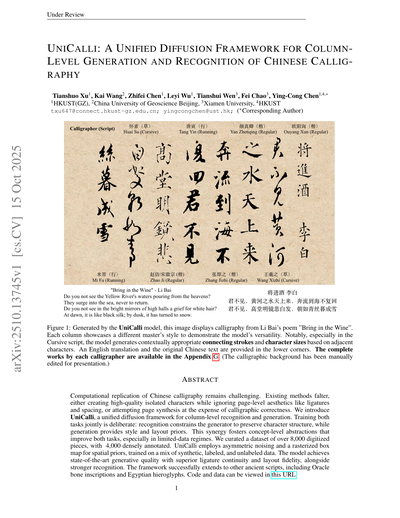
UNICALLI: A UNIFIED DIFFUSION FRAMEWORK FOR COLUMN-LEVEL GENERATION AND RECOGNITION OF CHINESE CALLIGRAPHY
10 questions
38 pts
The Principles of Deep Learning Theory
107 questions
418 pts
Featured Books
View All Books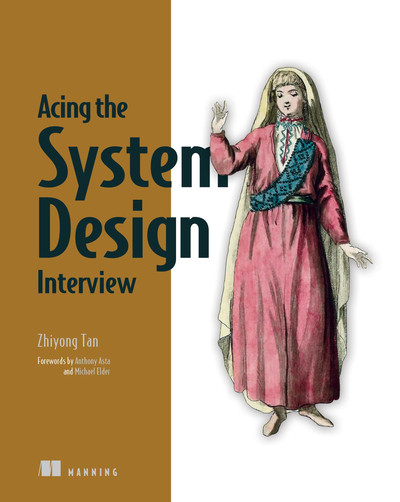
Acing the System Design Interview
153 questions
456 pts
Numerical Python: Scientific Computing and Data Science Applications with Numpy, SciPy and Matplotlib
240 questions
684 pts
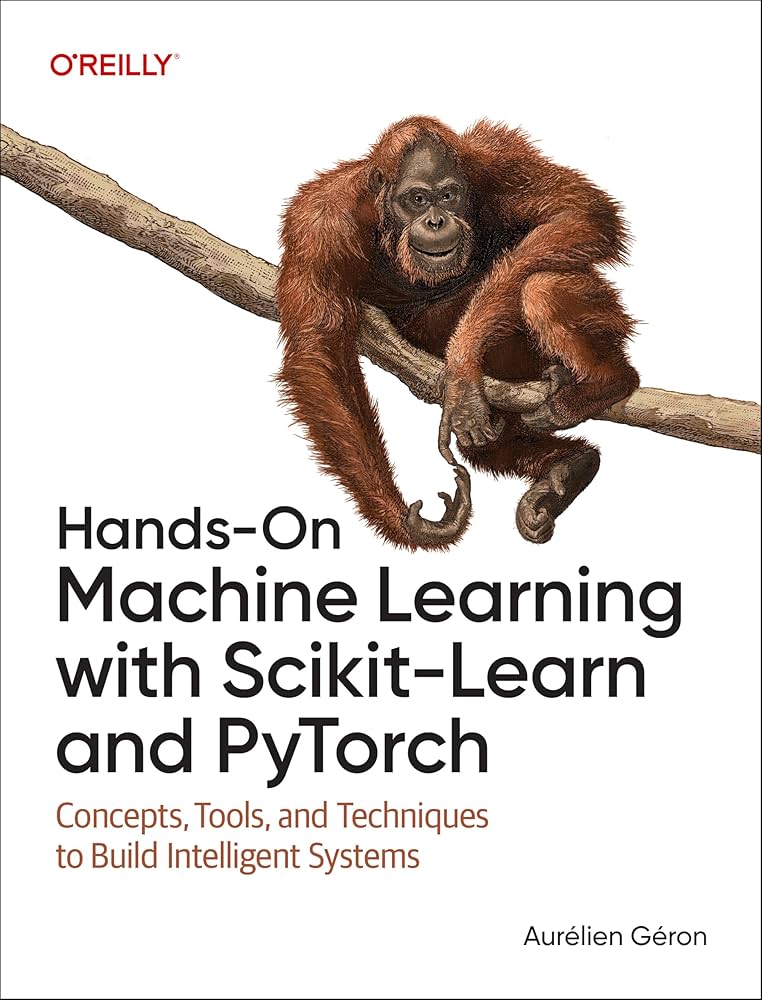
Hands-On Machine Learning with Scikit-Learn and PyTorch
200 questions
554 pts
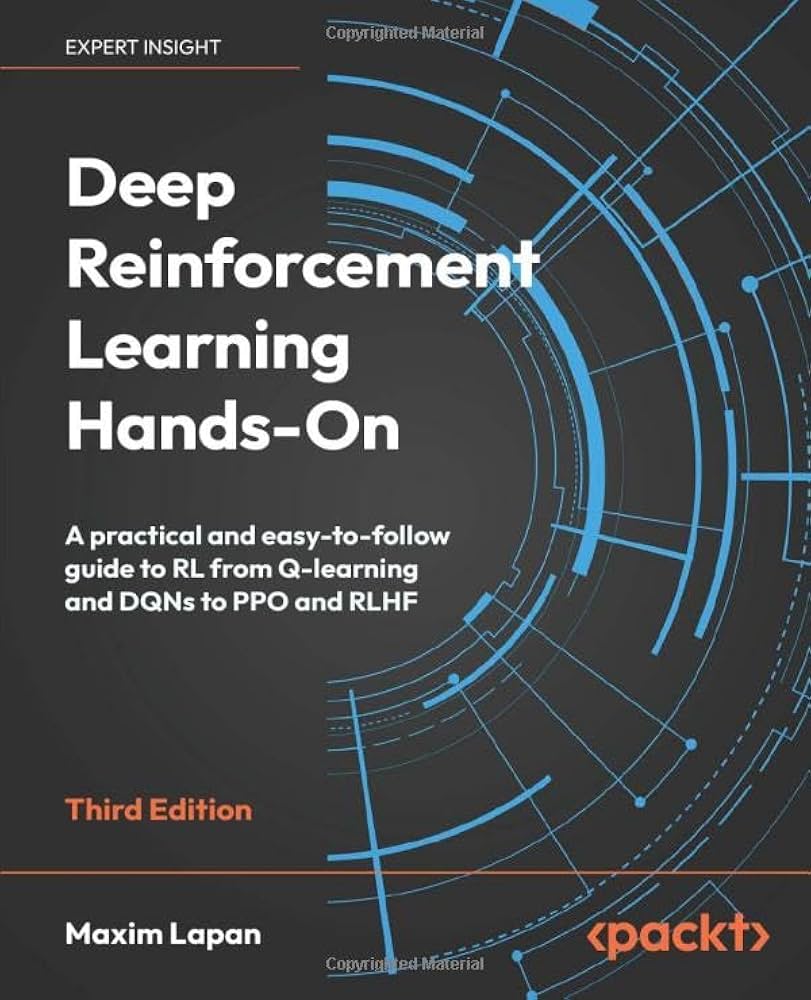
Deep Reinforcement Learning Hands-On - Third Edition
222 questions
720 pts
Featured Videos
View All Videos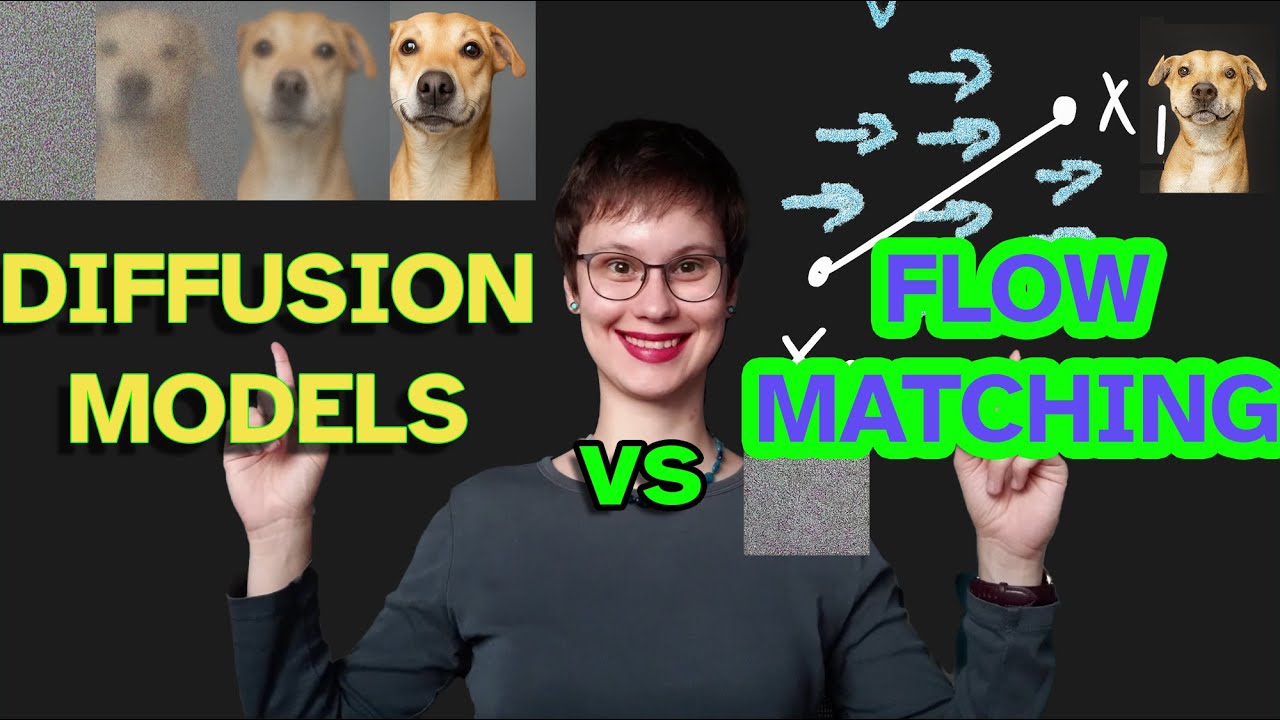
Flow-Matching vs Diffusion Models explained side by side
10 questions
29 pts
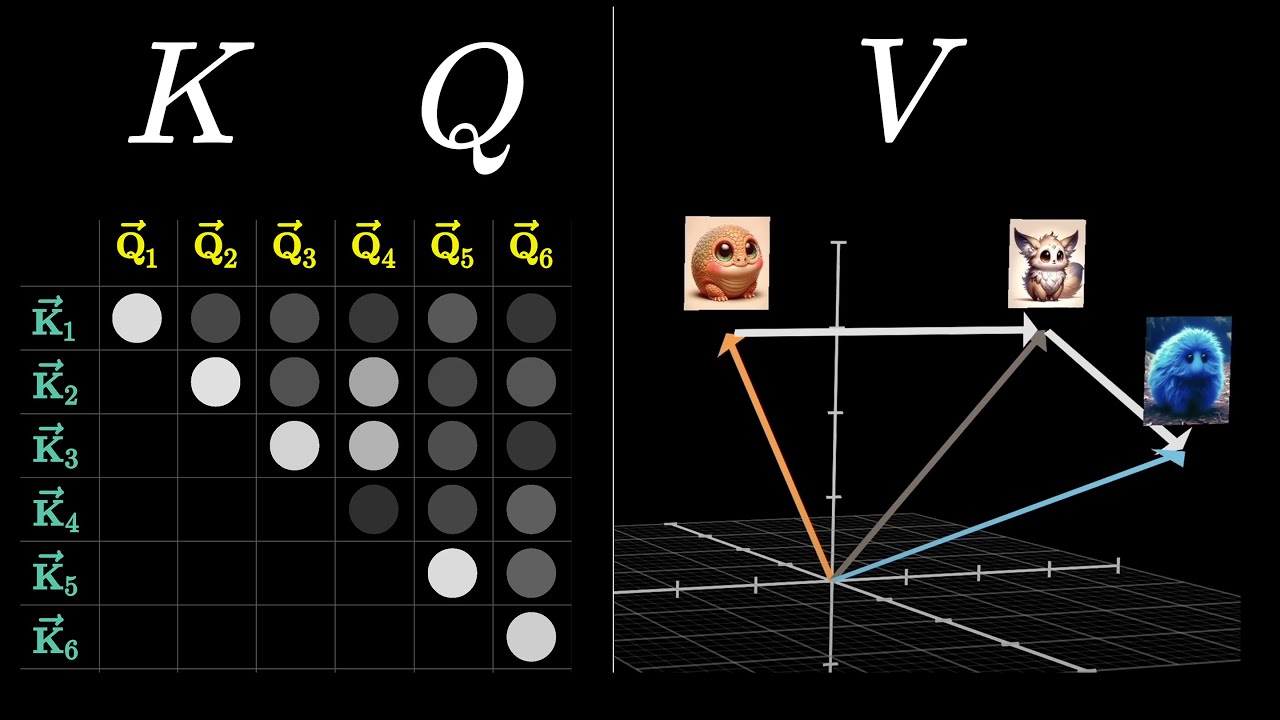
Attention in transformers, step-by-step | Deep Learning Chapter 6
10 questions
30 pts
Knowledge Distillation: How LLMs train each other
10 questions
27 pts

Diffusion Model
10 questions
32 pts
Popular Topics
beginner
459
easy
217
fundamental-concepts
112
optimization
100
performance
87
distributed-systems
85
medium
85
machine-learning
84
fundamentals
83
basic-concepts
80
linear-algebra
78
architecture
77
classification
73
data-structures
73
system-design
66
time-complexity
66
scalability
65
calculation
63
neural-networks
62
machine learning
61
Click on any tag to filter problems by that topic